
Joint replacement surgery, once considered a last resort, has now become a common and highly successful procedure thanks to recent technological advancements. This blog explores the rapid evolution of joint replacement—from traditional open surgeries to minimally invasive techniques, robotic-assisted procedures, and customized implants.
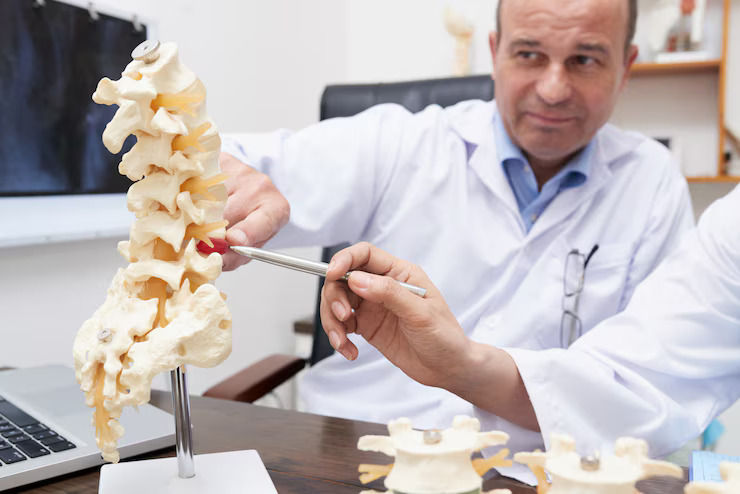
Precision Through Technology
Modern imaging and 3D planning tools have dramatically improved surgical precision, leading to quicker recovery times, less post-operative pain, and better long-term outcomes. Innovations such as computer navigation, biologic implants, and improved prosthetic materials work together seamlessly to increase joint longevity.
"Robotic assistance and 3D-printed implants are not just futuristic concepts—they are today's reality, enabling surgeons to achieve accuracy within millimeters."
Additionally, patients will discover exactly what to expect before, during, and after joint replacement surgery. Practical recovery tips, the critical importance of tailored physiotherapy, and guidance on how patients can return to normal life—sometimes feeling even better than before—are highlighted throughout our patient care programs.
Whether you are a senior citizen considering a total knee replacement or a middle-aged adult living with advanced hip arthritis, understanding these advancements offers a clear, reassuring picture of how orthopaedic care is evolving to improve lives every single day.